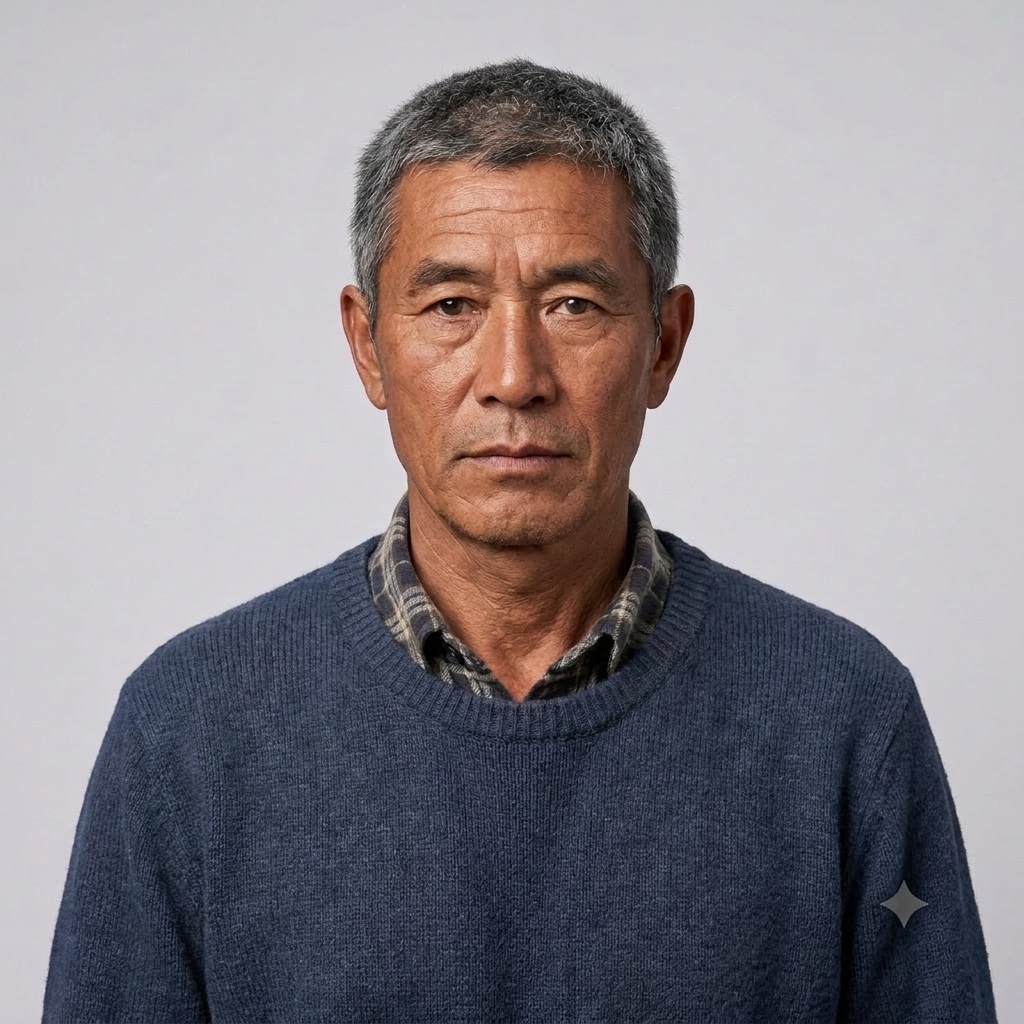
Senator Tobias Vael of Harren filed his candidacy for Legat Consul with the Elections Panel on Tuesday, becoming the first declared candidate in what is now formally an open race for the Republic's top foreign affairs office.
Vael, 58, announced at a morning rally in Casten — Harren's administrative center and the city where he has held a Senate seat for fourteen years — to an audience that filled the civic hall and spilled into the square outside. He spoke for forty minutes without notes. The Elections Panel confirmed receipt of his registration before noon.
"The Toren watershed reaches Harren before it reaches anywhere else. We are downstream. We have always been downstream. The difference between this administration and the next one is whether we intend to do something about that, or whether we intend to write another careful letter and wait."
The reference to another careful letter was unmistakable. LC Casimir Rehn has issued two formal diplomatic notes to Sunderland over contested Lake Varda naval movements, and one to Caldris over the proposed upstream dam infrastructure on the Toren River, all published to the NRS. Vael's campaign did not dispute the characterization when asked.
The Path
Vael enters the race with a clear base and a familiar problem. The north is his — Harren and Varek are not seriously contested territory for a candidate who has spent fourteen years making the Toren River the centerpiece of his Senate work. Orath will hear him out; the agricultural economy there lives and dies on downstream water access, and Vael knows how to speak that language.
The coast is another matter. Caldenmere's political establishment has shown little appetite for the kind of confrontational posture Vael has signaled toward Caldris. In a field where the continent's upstream power is already renegotiating a river treaty, there is a version of this race where Caldenmere decides that caution is a virtue. That version is not Vael's.
"He can see a path," said one Assembly member familiar with the party's internal numbers, who asked not to be named. "It's a narrow path. He has to hold it together all the way."
The lake states complicate things further. Rhovane and Kelvant are consumed by the Sunderland crisis in ways that the northern border States simply are not — the refugee question, the coast guard, the Korda Territory audit. A candidate whose central argument is about Caldris and the river has to answer, convincingly, what he intends to do about the eastern lake. Vael touched on it in Casten only briefly, calling for "a coast guard that is funded like a coast guard and not like an afterthought." The crowd responded. Whether that holds in Rhovane is a different question.
Rehn Declines to Respond Directly
The LC's office issued a statement through a spokesperson noting that Rehn "welcomes the democratic process that the constitution establishes" and has no further comment on the emerging field. Rehn cannot seek a second term and will leave office when his successor is inaugurated regardless of what Year 13 produces. He has been careful — conspicuously careful, people close to his office say — to maintain that posture even with his own Director of Foreign Affairs, Ines Carrow, who is widely expected to declare her candidacy within the coming months.
The relationship between a departing LC and the continuity candidate from within their own orbit is always complicated. This one is more complicated than most.
The Field Taking Shape
Beyond Carrow, the name generating the most attention in Assembly corridors is Seren Mak, the second-term representative from Rhovane whose floor speeches on the Korda Territory crisis have been circulating well beyond the chamber. Mak has not indicated whether she is running. Her office did not respond to a request for comment.
The Civic Consul's office likewise offered nothing on Tuesday. Nadia Sorrel has made no public statement about her intentions for Year 13.
Vael's entry begins what is expected to be a months-long period of declarations before the Elections Panel formally opens the registration window for the Year 13 electoral period. At his closing in Casten on Tuesday, he left little ambiguity about his framing.
"Whoever takes this office next year takes it knowing they cannot run again. One term. Six years. Make them count. I intend to."
The crowd appeared to agree.