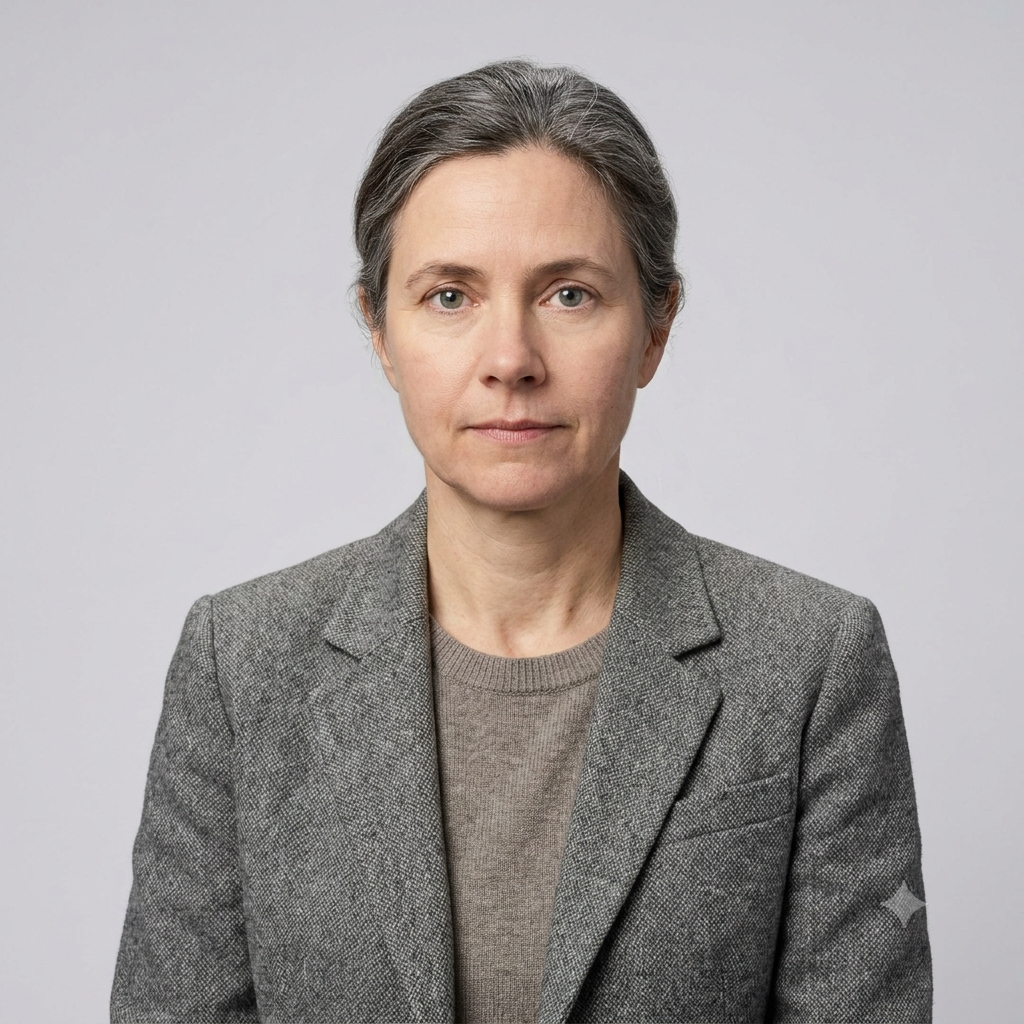
The Legat Consul race has a shape now. Seren Mak has a posture, Tobias Vael has a method, Ines Carrow has a record, and the public has, whenever it is asked, an opinion about all three. That race is loud because it is supposed to be loud: the Legat Consul is chosen nationally, campaigned for openly, and argued over in exactly the terms the last two months have supplied. It is a contest built to be watched.
The Republic's other executive chair is not built that way at all. The Civic Consul — the domestic half of the dual executiveTwo separately selected executives with enumerated, non-overlapping domains — neither one is head of government alone., the office that holds the residual authority the Legat Consul does not — is not put before the public. It is filled by the Assembly, from the Assembly, by an absolute majorityA majority of a chamber's full seated membership — counted against every seat filled, not just the members present or voting. that must name its choice rather than merely reject the alternatives. No campaign. No debates. No national vote. A majority of the chamber's own members, assembled member by member, in rooms the cameras are not in.
A Question Asked Quietly
Which is why the question that started moving through the chamber this week is a strange one to report, because almost no one asking it will say it on the record. The question is this: if the most consequential legislative act of the entire Varda Crossing cycle was authored by a member who never entered the loud race — a member who works the chamber rather than the camera — then is the chamber's own office the one she was built for all along?
"You don't win the Civic Consul by being the most famous person in the Republic. You win it by being the person forty other members would put their names next to. Those are not the same skill."
The member who said that — a second-term legislator from one of the smaller states, who would speak only without attribution — was not naming anyone. Pressed on whether the observation had a name attached, she declined, and then, after a moment, added: "I think everyone doing the arithmetic already has the same name in their head. That's rather the point. Nobody had to say it."
It should be said plainly that this is speculation about a possibility, not reporting of a fact. No motion exists. No member has declared any intention to seek the office, and the Assembly's timeline for filling its executive chairs runs on its own schedule, not on the Legat Consul campaign calendar. The Civic Consul question is, at this moment, precisely a question — one a growing number of members are turning over privately while saying nothing publicly.
The Shape of the Silence
What makes it worth reporting even in its unformed state is the character of the silence around it. Elin Thoss's office was asked, for the fourth time this cycle, a question about her intentions — this time not about the Legat Consul race but about the quieter chair. The response was the now-familiar two sentences: thanks to the chamber, thanks to Member Orin by name, nothing further. She did not confirm interest in the Civic Consul. She also, several members noted, did not deny it — and a denial, in this case, would have been the easy thing to give.
That is the whole of it, for now. A race everyone can see, and beside it an office almost no one is discussing out loud, connected by a name that keeps not being said and keeps not being ruled out. Whether the connection is real, or merely the kind of pattern a political capital invents when it is bored of watching the same three candidates, is a question the coming weeks will answer. The Assembly will fill its chair when the Assembly is ready. Until then, the most interesting figure in the Republic remains the one running for nothing at all.