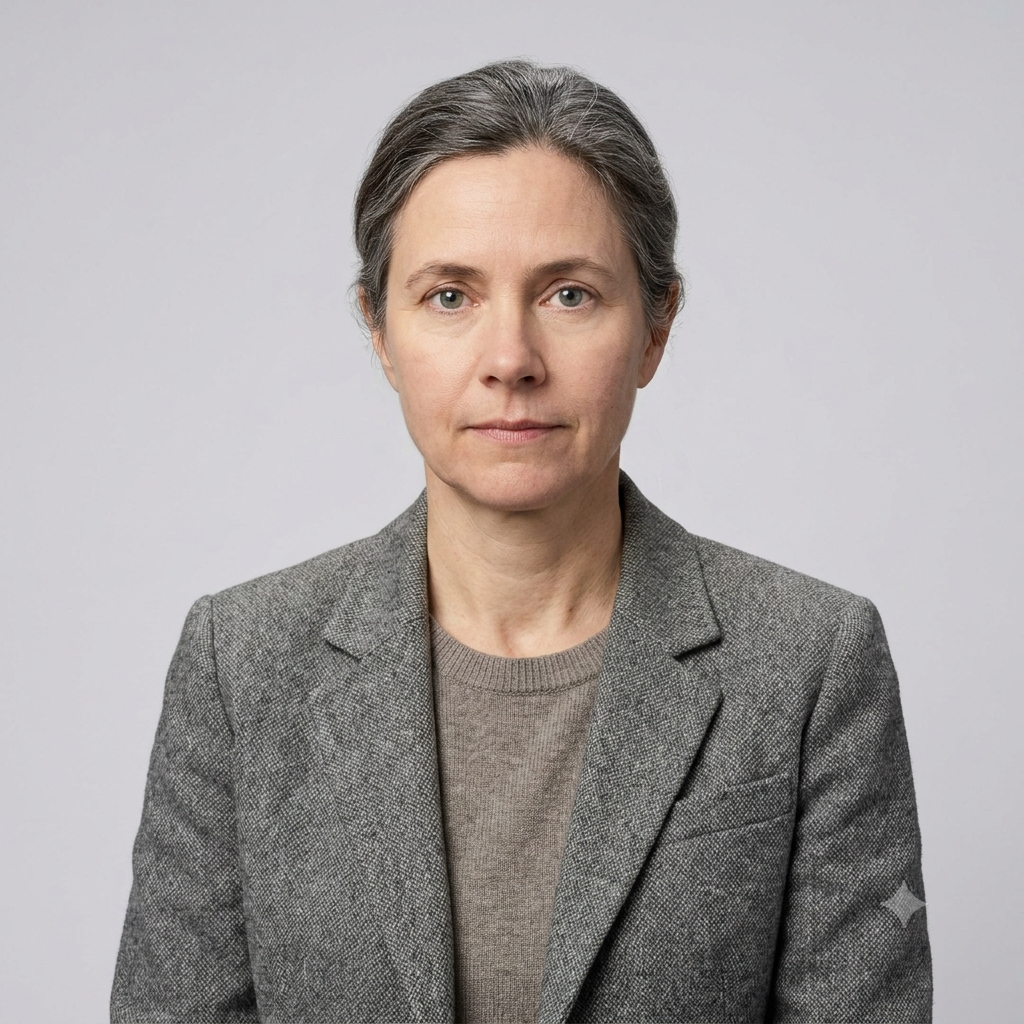
Legislation is supposed to be the boring part. That was certainly the assumption when Assembly member Elin Thoss introduced her measure the same week as Varda Crossing — a narrow, procedural instrument requiring that executive domain budget proposals under §12.2 include a standing, annually reviewed line for border-territory infrastructure and emergency capacity. The political desks covered the four candidates' reactions to the crossing and gave Thoss's bill two sentences, if that. It read like the kind of thing a conscientious backbencher files and nobody outside the committee room ever thinks about again.
It cleared the Territories and Fiscal Affairs Committee this week on an 11–2 vote. That alone would be a modest story. What makes it a real one is who put their name on it alongside hers: Committee member Dessa Orin, one of Korda Territory's own Assembly delegates, signed on as co-sponsor two days before the vote — the first time since the crossing that anyone from Korda has attached their name to anything connected to it that wasn't a statement of grief. Orin's office was blunt about why. "This isn't about Sunderland," a spokesperson said. "It's about why our roads and our capacity requests have been sitting in a queue for four years while the equalization mechanism the Monitor already flagged goes unaddressed. Member Thoss is the first person in the capital who wrote a bill about that instead of a statement about the lake."
A Bill Nobody Running Can Ignore
That single co-sponsorship is what turned a footnote into a floor vote, and a floor vote is what forces the three declared Legat Consul candidates to have an opinion on a bill in the Civic Consul's domain — the office none of them are running for.
Seren Mak's office called it "a reasonable step that does not substitute for a hardened posture," which is Mak finding a way to praise a bill without conceding that it addresses anything her §14.2 authorization plan does not. Tobias Vael, characteristically, said less and meant it more: a one-line statement calling the measure "overdue" and nothing further, which several capital observers read as the closest thing to an endorsement Vael has issued of anyone else's work all cycle. Director Carrow's response was the most pointed, precisely because her own Directorate is the body that produced the finding the bill responds to. "The Executive Monitor identified this gap before any formation crossed a marker," her statement read. "It is good that the Assembly is finally acting on its own Monitor's finding. It should not have taken a body count to do it." It is, in its way, a compliment to Thoss and an indictment of everyone else at once — including, a few commentators noted, the Directorate itself, which flagged the §12.6 failure without introducing legislation to fix it.
"It is good that the Assembly is finally acting on its own Monitor's finding. It should not have taken a body count to do it."
Thoss herself said nothing beyond a two-sentence statement thanking the committee and Member Orin by name. She did not answer, and was not asked on the record, whether a bill with this much sudden momentum changes anything about her plans for the Legat Consul race she has spent a month declining to discuss. Her office did not respond to a request for comment on that specific question, which by now is itself a kind of answer, though not the kind anyone can print.
The measure goes to a full Assembly floor vote within thirty days. If it passes — and an 11–2 committee margin plus a Korda co-sponsor suggests it will — it becomes the first concrete legislative product to come out of Varda Crossing, authored by the one candidate who never said a word about Varda Crossing at all. Whatever Thoss decides to do next, the Republic now has a data point it did not have a month ago: when she picked up a different tool than the other three, the tool worked.